
Goldfish - Butterfly Tail
Goldfish - Butterfly Tail
Butterfly Tail
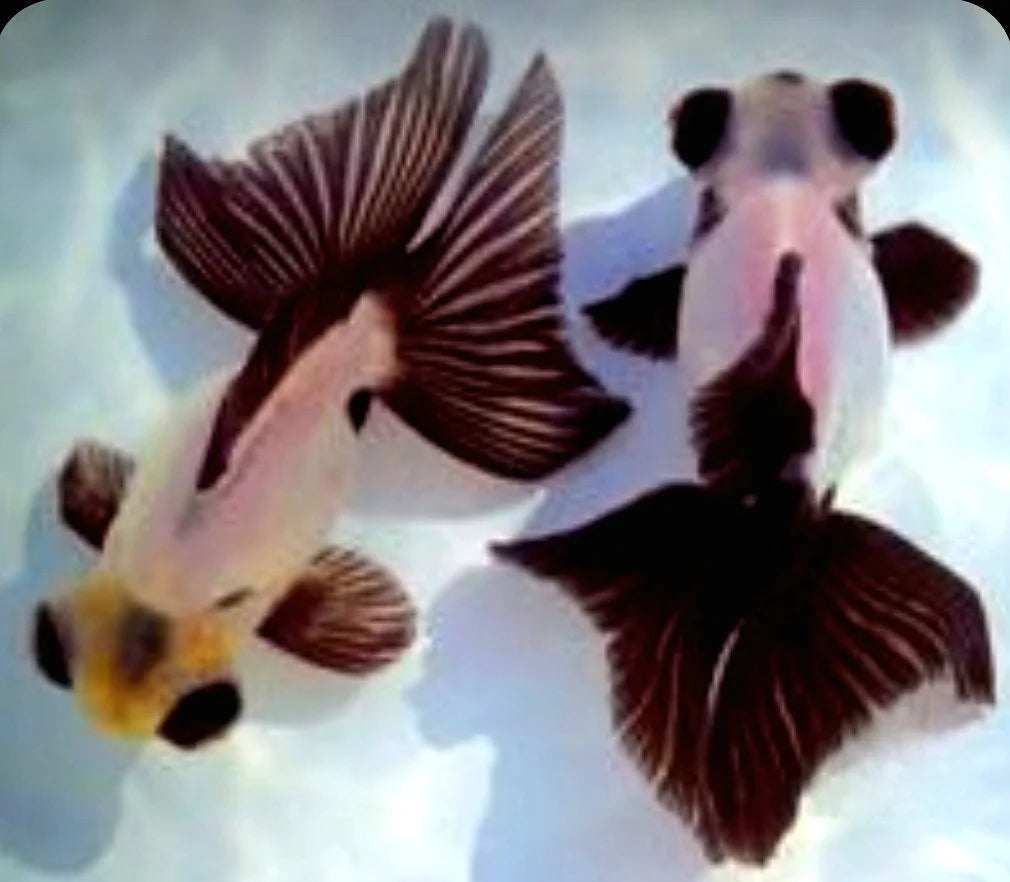
The butterfly tail is an absolutely stunning and elegant goldfish. Getting its name from the butterfly shape tail fin when looked from above. Also known as the Butterfly Telescope Goldfish due to its protruding eyes which are commonly seen in other goldfish variants like the moors. Specifically bred for many years the elegant butterfly tail goldfish is a true fancy variety and is a staple in the goldfish keeping hobby. Their most distinguishing factor is obviously the butterfly-shaped tail and the short, stubby body. They also come in a vast arrangement of colors like orange, white, grey, and black. Butterfly tails and goldfish, in general, are great algae eaters and will make a fantastic addition to outdoor ponds as they will readily graze and eat any algae which can proficiently grow in sunny pond conditions. Butterfly tails are even more suited to ponds because they look the best from top-down, this shows the fully speed butterfly-shaped tail. However, because of their selective breeding, they are more suited to tropical environments and it isn’t recommended to keep butterfly tails all year round outside. Though goldfish is not exactly a great beginner fish due to their size and at times messy habits the butterfly tail is a great alternative to the common comets and longer growing variants. The butterfly tails max out at around 15 cm and are actually not found naturally in the wild as they are selectively bred fish for the captive environment.
Tank Recommendations for your butterfly tail goldfish.
The butterfly goldfish can get fairly big at 15 cm. Though 1/3 of this length can be due to the beautiful tail fins the fish itself does get the very round meaning that an individual butterfly tail would need around 75 liters (20 gallons) however they are recommended to be kept together with other fancy goldfish. so when keeping multiple goldfish together a larger tank would be needed. The thing to note however with butterfly tail goldfish is that though they have stunning fins they are actually not the best swimmers so a slower flow is better. both in a pond or aquarium, a sand substrate is best as butterfly tails will actively sift through the sand and smooth river stones can be added for further decoration. Sharp materials should be avoided in the aquarium-like pointy driftwood especially for Oranda because they can easily damage their fins and scales This can lead to infection and immune-related diseases with the fish. A common practice for keeping these fish in a bare bottom environment with very little aquascape materials.
Share